

Caddo Mills Climate Storage: Spring Storm-Proof Packing
Habib Ahsan
January 30th, 2026
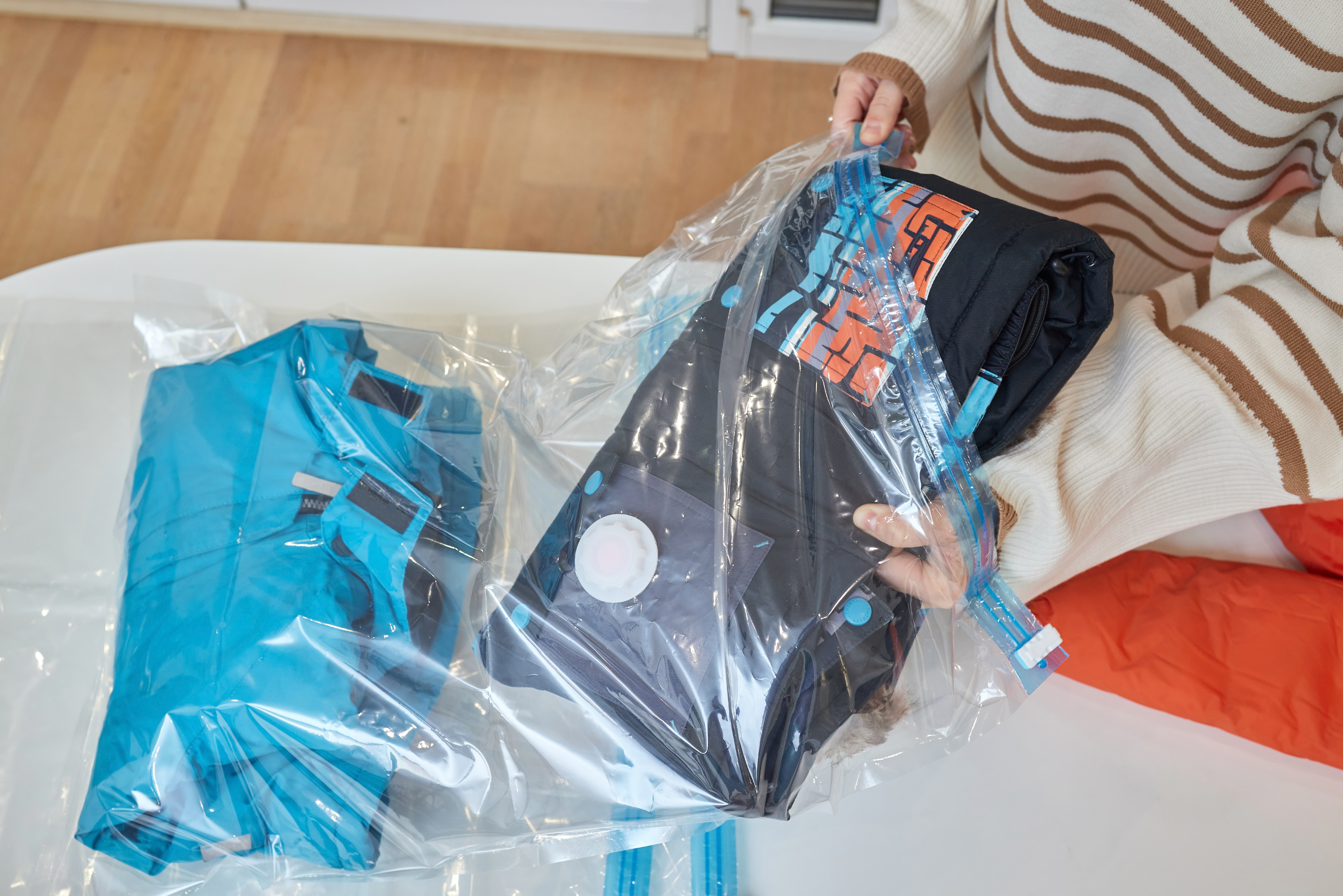
Spring storms in Caddo Mills bring heavy rain, fast temperature changes, and high humidity. Even when using climate-controlled storage, how items are packed and placed determines whether they stay protected or slowly deteriorate. Storm-proof packing focuses on preventing moisture exposure before it becomes a problem, not reacting after damage appears. Local homeowners and small businesses often discover that spring is when storage issues begin—not because the unit failed, but because packing methods didn’t account for storm conditions.
Why Spring Storms Change How You Should Pack Storage
During storm season, risk increases in several ways:
- Moisture exposure during loading and unloading
- Humidity spikes after heavy rainfall
- Condensation from rapid temperature swings
- Wind-driven dust and debris entering during access
Climate control helps regulate interior conditions, but it cannot fix moisture trapped inside boxes, furniture, or equipment. Storm-proof packing closes that gap.
Understanding Spring Storm Risks in Caddo Mills, TX
Caddo Mills spring weather creates storage challenges that don’t exist in dry seasons. Common storm-related threats include:
- Moisture absorbed by cardboard and fabrics
- Condensation forming inside sealed containers
- Damp floors after prolonged rain
- Items exposed briefly but repeatedly during access
These risks build slowly. Damage often appears weeks or months later.
Step 1: Decide What Must Be in Climate-Controlled Storage
Some items become far more vulnerable during storm season.
High-Risk Items
These should always be stored in climate-controlled units:
- Paper documents, books, and records
- Upholstered furniture and mattresses
- Electronics and small appliances
- Clothing, linens, and fabric inventory
- Wood furniture and antiques
Items That Still Need Extra Care
- Metal tools and equipment
- Leather goods
- Items made from mixed materials
Storm-proof packing protects these items from hidden moisture damage.
Step 2: Pre-Pack Preparation to Reduce Moisture Risk
Preparation matters more than packaging.
Clean and Dry Everything First
- Never pack items after rain exposure
- Allow 24–48 hours of drying time if items were outside
- Wipe down tools, furniture legs, and equipment bases
- Avoid packing on rainy days when possible
Even small amounts of trapped moisture can cause mold or rust over time.
Choose Storm-Safe Packing Materials
- Use plastic bins for moisture-sensitive items when appropriate
- Use acid-free boxes for documents and photos
- Choose breathable fabric covers for furniture
- Add moisture absorbers only as backup, not primary protection
Avoid garbage bags and airtight wrapping.
Step 3: Packing Techniques That Prevent Moisture Traps
How items are packed matters as much as what they’re packed in.
Box Packing Rules
- Never seal damp items
- Avoid overfilling containers
- Separate items by material type
- Place heavier items at the bottom
This prevents compression and airflow blockage.
Furniture Wrapping Best Practices
- Use breathable covers instead of plastic
- Elevate furniture legs
- Protect joints and seams first
- Never wrap furniture tightly in plastic
Plastic traps moisture and accelerates damage during storm season.
Step 4: Unit Layout That Supports Storm Protection
Storm-proof storage depends on layout.
Elevation Is Mandatory
- Use pallets, shelving, or risers
- Keep everything off the floor
- Floor-level moisture risk increases during heavy rain periods
Maintain Airflow
- Leave space between walls and items
- Avoid wall-to-wall packing
- Do not block vents or airflow paths
Airflow reduces condensation buildup.
Step 5: Door, Entry, and Access Zone Strategy
The front of the unit is the most exposed area during storms.
Front-Zone Placement
- Store moisture-tolerant items near the door
- Keep sensitive items deeper inside the unit
- Use absorbent mats near entry
Loading and Unloading During Storms
- Stage items in covered areas when possible
- Use temporary covers for carts and bins
- Minimize door-open time during rain
Many Caddo Mills storage users plan quick-access trips during storms to limit exposure.
Step 6: Labeling and Inventory for Storm Season
Storm conditions increase handling risk.
Storm-Smart Labeling
- Use waterproof labels or sleeves
- Label externally only
- Avoid adhesive labels on delicate surfaces
Documentation
- Take photos before and after packing
- Note item condition during storm season
- Keep digital records for reference
This reduces unnecessary handling later.
Step 7: Maintenance Checks During Spring
Storm-proof packing includes monitoring.
Check Frequency
- Every 30–45 days during storm season
What to Look For
- Condensation
- Musty odors
- Packaging breakdown
- Floor dampness
What Not to Do
- Don’t open sealed boxes unnecessarily
- Don’t rewrap items if they feel damp
Early detection prevents long-term damage.
Common Spring Packing Mistakes in Caddo Mills
- Packing immediately after rain
- Using airtight plastic on furniture
- Storing cardboard directly on floors
- Overfilling units and blocking airflow
- Assuming climate control alone is enough
These mistakes are the leading causes of spring storage damage.
Why Storm-Proof Packing Extends Storage Life
Storm-proof packing:
- Reduces mold and mildew risk
- Preserves finishes and materials
- Prevents corrosion and fabric breakdown
- Saves on replacement and restoration costs
For homeowners and small businesses storing valuable items, these benefits matter long after storm season ends.
Final Takeaway: Storm-Proof Storage Is a System
Climate-controlled storage provides the environment. Storm-proof packing provides the protection. Caddo Mills homeowners and small businesses often choose climate storage during spring storm season because it allows them to stay proactive—not reactive.
Categories