

What Is Climate-Controlled Storage & Who Needs It in Caddo Mills TX
What Is Climate-Controlled Storage & Who Needs It in Caddo Mills TX
Habib Ahsan
March 2nd, 2026
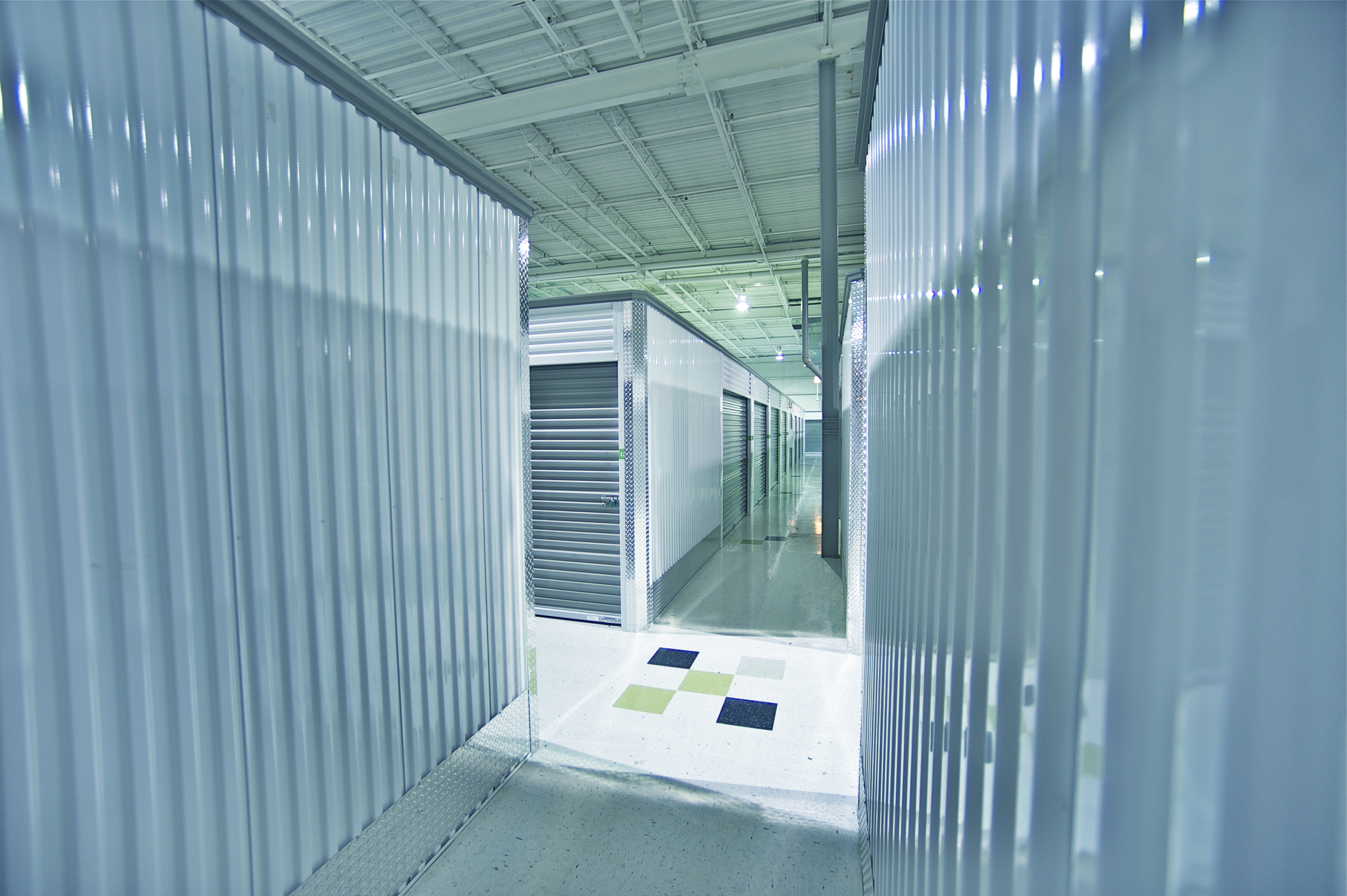
Choosing a storage unit in Caddo Mills often comes down to one question: Do you need climate control? Some items store perfectly well in standard units. Others can warp, crack, rust, or develop mold if temperatures and humidity fluctuate too much. Understanding how climate-controlled storage works helps you protect your belongings and avoid unnecessary damage. This guide explains what climate-controlled storage is, how it compares to standard storage, and who benefits most from it in Caddo Mills.
What Climate-Controlled Storage Actually Means
Climate-controlled storage maintains a more stable indoor environment than standard storage units. Instead of being exposed to outdoor temperature swings, items stay in a controlled space designed to reduce heat and humidity changes. Climate-controlled units typically provide:
- More consistent temperatures
- Reduced humidity levels
- Indoor protection from weather
- Better air circulation
- Cleaner storage conditions
In Caddo Mills, these features matter most during spring humidity and summer heat, when storage conditions can change quickly. Climate control does not mean perfect conditions — but it greatly reduces the risks caused by extreme weather.
How Standard Storage Is Different
Standard storage units are enclosed but not temperature-controlled. This means:
- Temperatures follow outdoor weather
- Units heat up during summer
- Humidity rises during rainy periods
- Conditions change with the seasons
Standard storage protects belongings from:
- Rain
- Wind
- Direct sun
- Dirt and debris
For many durable items, this level of protection is enough.
Climate vs Standard Storage: What Really Matters
The difference between climate and standard storage comes down to material sensitivity. Climate control matters most when items can be damaged by:
- Heat
- Moisture
- Temperature swings
Standard storage works well when items are:
- Durable
- Designed for garages or sheds
- Not sensitive to humidity
Choosing correctly prevents unnecessary costs and avoids damage.
Items That Benefit Most From Climate-Controlled Storage
Certain belongings are especially vulnerable in Caddo Mills.
Wood and Upholstered Furniture
Climate-controlled storage is recommended for:
- Dining tables
- Dressers
- Cabinets
- Sofas
- Recliners
- Mattresses
Wood expands and contracts when humidity changes. Upholstery absorbs moisture easily. Stable conditions help prevent:
- Warping
- Loose joints
- Fabric odors
- Mold growth
Clothing and Fabrics
Fabric items are sensitive to humidity. Best stored in climate units:
- Seasonal clothing
- Linens
- Blankets
- Curtains
- Rugs
Without climate control, fabrics can develop musty odors over time. Small businesses storing fabric inventory also benefit from stable conditions.
Documents and Paper Items
Paper is very sensitive to moisture. Climate control protects:
- Tax records
- Legal documents
- Business files
- Books
- Photo albums
Humidity can cause paper to:
- Curl
- Yellow
- Stick together
- Develop mold spots
Electronics and Appliances
Electronics perform best in stable conditions. Climate-controlled storage is recommended for:
- TVs
- Computers
- Gaming systems
- Audio equipment
- Small appliances
Humidity can cause corrosion inside electronic components over time.
Specialty and Valuable Items
Items that are expensive or difficult to replace often belong in climate storage. Examples include:
- Musical instruments
- Artwork
- Antiques
- Leather furniture
- Collectibles
If replacement would be costly or impossible, climate control is the safer option.
Who Needs Climate-Controlled Storage in Caddo Mills
Climate-controlled storage works best for certain situations.
Homeowners
Homeowners often use climate storage for:
- Moving transitions
- Decluttering projects
- Renovations
- Downsizing
Furniture and household items often benefit from stable conditions during these transitions.
Renters
Renters often need temporary storage during moves. Climate control is helpful when storing:
- Furniture
- Clothing
- Electronics
- Personal keepsakes
Short-term storage still benefits from protection during hot months.
Small Businesses
Many small businesses in Caddo Mills use climate storage for:
- Inventory
- Office equipment
- Records and documents
- Promotional materials
Stable conditions help maintain product quality and organization.
Long-Term Storage Users
The longer items stay in storage, the more climate matters. Climate control is recommended when storing items:
- Longer than 3–6 months
- With sentimental value
- That are difficult to replace
Long-term storage increases exposure to seasonal changes.
Seasonal Storage Risks in Caddo Mills
Weather patterns in Caddo Mills affect storage conditions throughout the year.
Spring
Spring brings:
- Heavy rain
- Humidity increases
- Temperature swings
These conditions increase mold risk.
Summer
Summer creates the highest storage stress. Extended heat can cause:
- Wood movement
- Leather cracking
- Adhesive failure
- Plastic distortion
Climate control reduces these risks.
Fall and Winter
Cooler months are less extreme but still involve:
- Temperature shifts
- Occasional humidity spikes
Long-term storage still benefits from stable conditions.
Signs You Should Choose Climate Control
Climate-controlled storage is a good choice if:
- Items are sensitive to moisture
- Items are sensitive to heat
- Storage will last several months
- Items are valuable
- Items have sentimental importance
A simple rule helps many storage users decide: If damage would be expensive or difficult to replace, choose climate control.
Packing Tips for Climate-Controlled Storage
Climate control works best when items are prepared properly.
Prepare Items Before Storage
Before storing:
- Clean surfaces
- Remove dust
- Allow items to dry
- Avoid packing damp materials
Trapped moisture can still cause problems.
Use Proper Packing Materials
Recommended materials:
- Breathable furniture covers
- Plastic storage bins
- Acid-free document boxes
- Shelving or pallets
Avoid:
- Tight plastic wrapping on fabrics
- Damp cardboard
- Overfilled boxes
Organize the Unit Properly
Good organization improves storage conditions. Best practices include:
- Leave an access aisle
- Keep items off floors
- Avoid stacking too tightly
- Store sensitive items toward the center
These steps improve airflow and reduce risk.
Common Climate Storage Mistakes
Even climate-controlled storage can have problems if used incorrectly. Avoid:
- Packing damp items
- Overfilling units
- Blocking airflow
- Using airtight plastic on furniture
- Ignoring seasonal humidity
Preparation still matters.
When Climate Control Is Worth It
Climate-controlled storage is usually worth the cost when storing:
- Furniture
- Electronics
- Documents
- Inventory
- Keepsakes
Standard storage may be enough for:
- Tools
- Outdoor equipment
- Metal shelving
- Plastic storage bins
Matching storage type to belongings saves money and prevents damage.
Final Takeaway: Climate Control Protects What Matters
Climate-controlled storage provides stability when Caddo Mills weather becomes unpredictable. For many storage users, climate control protects furniture, electronics, documents, and inventory from gradual damage caused by heat and humidity.
Categories