

How to Prevent RV Damage During Long-Term Outdoor Storage in North Texas
How to Prevent RV Damage During Long-Term Outdoor Storage in North Texas
Habib Ahsan
June 24th, 2026
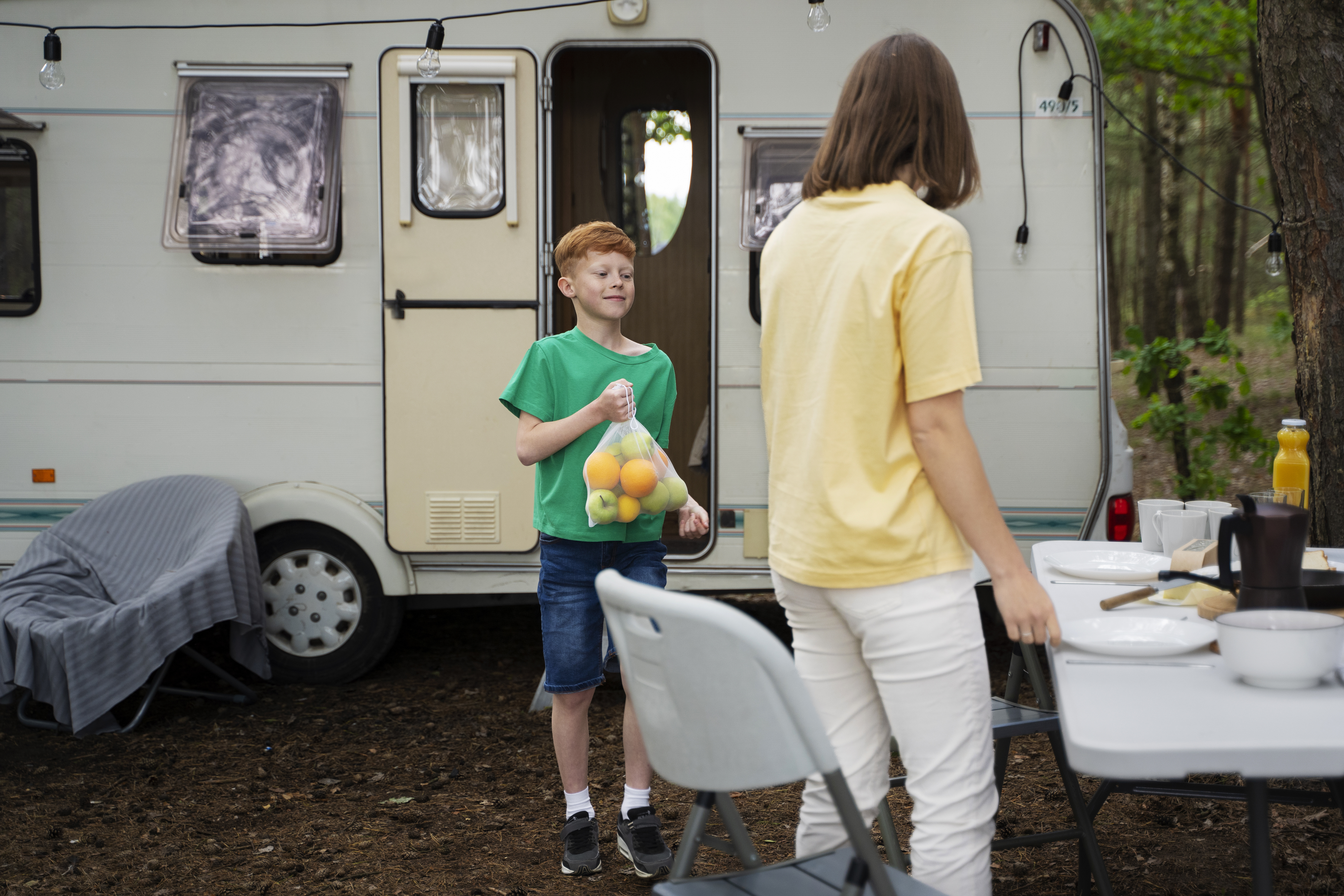
An RV is one of the largest recreational investments most families make — and one of the easiest to damage through neglect during the months it sits unused. Preventing RV damage during long-term outdoor storage in North Texas requires a combination of the right preparation, the right facility, and a basic maintenance schedule that takes very little time but makes an enormous difference. The alternative is discovering thousands of dollars in avoidable repairs the next time you try to hit the road.
Whether you are storing through the winter months, parking between trips during the summer, or keeping your RV off the property for HOA compliance in the Caddo Mills, Royse City, or Greenville area, this guide covers every practical step our on-site team recommends to RV owners who store with us.
Clean Inside and Out Before Parking for Any Extended Period
This is the most overlooked step — and probably the most important. Dirt, road grime, tree sap, and bird droppings left on the exterior of an RV cause paint and gel-coat damage over time. What starts as a cosmetic issue during a few weeks of sitting becomes a permanent stain or surface deterioration over months of exposure to East Texas sun and humidity.
Give the exterior a thorough wash before parking. Apply a UV-protective wax if your RV will be uncovered — this single step significantly slows the fading and oxidation that the North Texas sun causes over a full season. Treat rubber seals around windows and doors with a silicone-based protectant to prevent cracking and shrinkage during the hot months.
Inside, the priorities are food removal and moisture prevention:
- Remove all perishable food, open containers, and anything with a residual odor
- Empty and clean the refrigerator — leave the door slightly ajar to prevent mold and odor
- Open all cabinet and closet doors to allow air circulation throughout the interior
- Place silica gel packets or moisture absorbers in closets, under seats, and inside storage compartments
- Clean all surfaces, countertops, and floors to remove crumbs and residue that attract pests
A clean RV going into storage is dramatically less likely to develop pest, mold, or odor problems than one that was parked in a rush without preparation.
Engine, Fuel System, and Battery Preparation
Mechanical preparation is where many RV owners skip steps that end up costing real money when they are ready to travel again. A few minutes of work before long-term storage prevents the most common engine and fuel system problems that develop during months of sitting idle.
- Add fuel stabilizer to the tank and run the engine for ten to fifteen minutes to circulate treated fuel through the entire system — untreated fuel degrades and leaves deposits that clog lines and injectors
- Change the oil and oil filter before storage — old oil contains contaminants that corrode engine internals when left sitting for months
- Disconnect the battery or connect a quality trickle charger — a dead battery after extended storage is one of the most common issues RV owners face
- Check and top off all fluid levels, including coolant, brake fluid, and power steering fluid
- Run the generator under load for fifteen to twenty minutes if your RV has one — generators that sit unused for months without being exercised develop carburetor and fuel delivery issues
These steps take less than an hour and prevent the most expensive mechanical repairs that come from extended idle storage — fuel system cleaning, battery replacement, and generator servicing are all avoidable with basic preparation.
Tires, Jacks, and Weight Distribution During Long-Term Parking
Tires are one of the most quietly expensive things to neglect during long-term RV storage. A tire that sits in one position for months — especially in North Texas heat — develops flat spots that may not recover. Underinflated tires are significantly more susceptible to this problem, and sidewall cracking from UV exposure accelerates when the tire is not properly inflated.
Before parking for any extended period, inflate all tires to the manufacturer's recommended pressure. If your RV will sit for several months, consider using tire covers to block direct sun exposure — UV degradation on sidewalls is one of the leading causes of premature tire failure on stored RVs. If you have leveling jacks, deploy them to take weight off the tires and suspension during storage. This distributes the load more evenly and significantly reduces the risk of flat spots and suspension sag.
Protecting Against East Texas Pests and Rodents
Rodents and insects are active year-round in the Caddo Mills, Quinlan, and Greenville area — and an RV sitting idle is an attractive nesting spot. Mice can squeeze through openings as small as a quarter inch, and once inside, they chew wiring, insulation, upholstery, and ductwork. The repair bill from a single rodent infestation can easily reach hundreds or thousands of dollars.
Seal every exterior opening you can identify — exhaust pipes, furnace vents, refrigerator vents, and any gap around plumbing or electrical entry points. Steel wool or purpose-made vent covers work well for most openings. Place deterrents like peppermint oil-soaked cotton balls or commercial rodent repellent inside storage compartments and under the vehicle.
Storing at a facility with scheduled pest control adds another layer of prevention that a driveway or open lot simply cannot match. Our parking spaces accommodate full-size RVs up to 14x50 — browse our parking and unit size guide to find the right fit for your rig before move-in day.
Covered vs. Uncovered Parking: What Your RV Actually Needs
The decision between covered and uncovered parking depends on how long your RV will sit, what condition you want it in when you return, and how much you are willing to invest in protection. Both options have their place.
Covered parking shields your RV from direct sun, hail, and heavy rain — the three elements that cause the most exterior damage during North Texas storage. UV exposure fades paint and decals, dries out sealants, and degrades roof membranes over time. Hail damage is unpredictable and often expensive. And standing water from heavy rain can accelerate corrosion on undercarriage components if drainage is poor.
Uncovered parking is a practical and cost-effective option for RVs that are stored short-term, used frequently throughout the season, or protected with a quality RV cover. If you go uncovered, invest in a breathable, UV-resistant cover that fits your specific model — a cheap universal cover that traps moisture underneath does more harm than good.
Why Facility Choice Matters as Much as Preparation
Even the best-prepared RV is only as safe as the place it is stored. A facility without controlled access, without surveillance, and without on-site management leaves your investment exposed to theft, vandalism, and issues that go unnoticed for weeks at a time.
At Caddo Mills Climate Storage, every RV parking customer benefits from 24/7 video surveillance, a coded gate with a single controlled entry and exit point, and an on-site resident manager who keeps the facility clean and monitored daily. Our solar-powered facility maintains consistent lighting across the property after dark — and our location right off I-30 makes access straightforward for RV owners from Caddo Mills, Royse City, Greenville, Rockwall, and the surrounding area.
For RV owners who want real-time awareness of their storage space, our Smart Units with StorageDefender technology offer motion-alert monitoring that sends instant text notifications to your phone — particularly valuable during the months when you may not visit the facility at all.
A Quick Pre-Storage Checklist for North Texas RV Owners
Before you park and walk away, run through this final list:
- Exterior washed, waxed, and sealed — rubber seals treated with silicone protectant
- Interior cleaned, food removed, refrigerator empty with door ajar, cabinets open
- Fuel stabilized and circulated, oil changed, fluids topped off
- Battery disconnected or on a trickle charger
- Tires inflated to manufacturer spec, covered if uncovered parking
- All exterior vents and openings are sealed against pests
- Leveling jacks are deployed to reduce the weight on tires and suspension
Protect Your RV — Before and During Storage
Preventing RV damage during long-term outdoor storage in North Texas is a combination of smart preparation and the right facility. The preparation protects your RV from the inside out. The facility protects it from the outside in. Together, they ensure your rig is ready to roll when you are — without the costly surprises that come from months of neglect in an unmonitored space.
Caddo Mills Climate Storage serves RV owners from Caddo Mills, Royse City, Greenville, Quinlan, Rockwall, and across East Texas with secure covered and uncovered parking, flexible month-to-month leases, and an on-site team that takes the care of your investment seriously. Give your RV the protection it deserves between trips — reserve your RV parking space online today, and our on-site team will have everything ready before you arrive.
Categories