

How to Prep Your Boat for Storage in Texas Heat Near Greenville
How to Prep Your Boat for Storage in Texas Heat Near Greenville
Habib Ahsan
March 19th, 2026
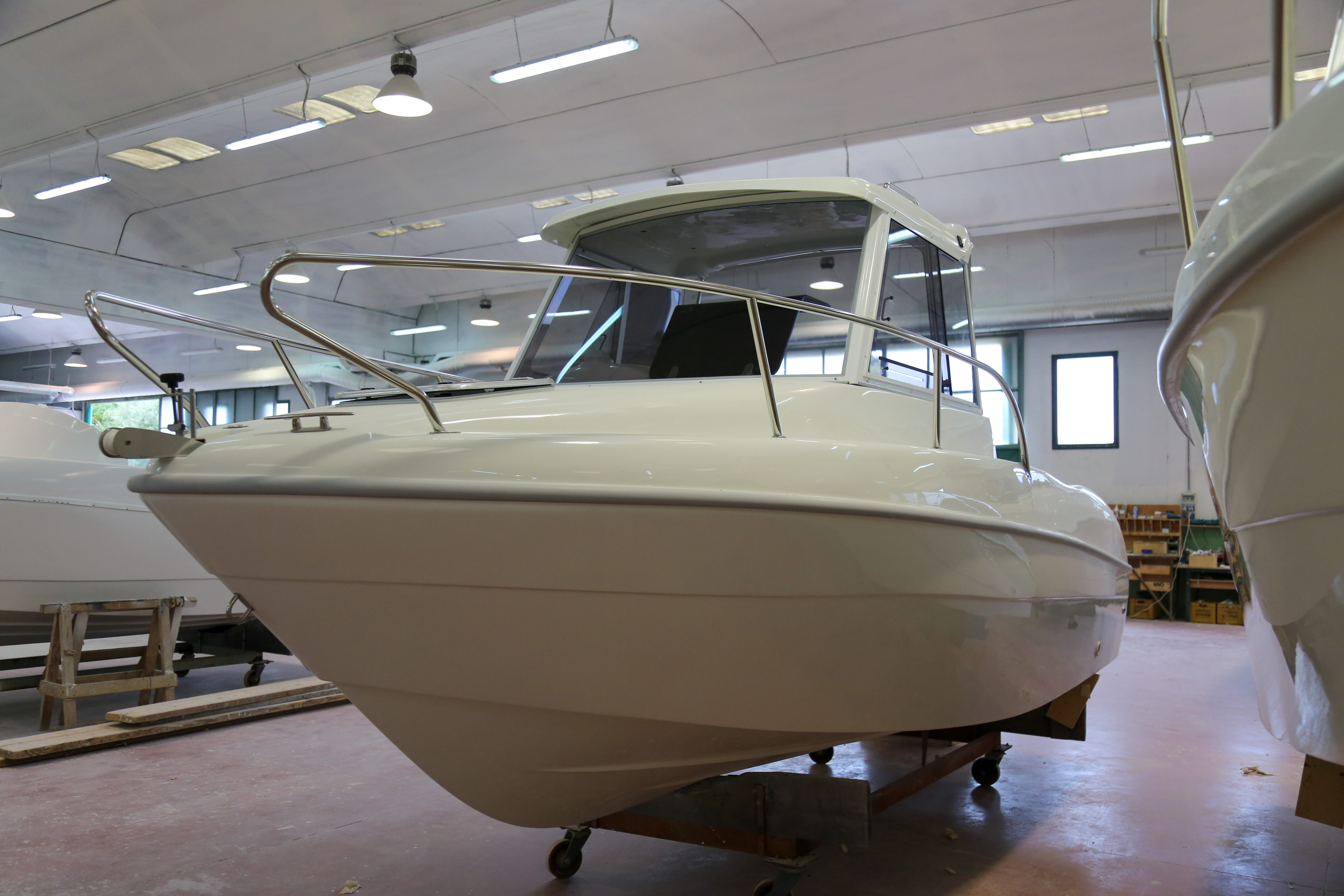
If you’re boating near Greenville or heading out to Lake Tawakoni, proper storage between trips is just as important as time on the water. Texas heat, sun exposure, and humidity can cause damage quickly — especially if your boat is stored without preparation. Many issues like mold, battery failure, or cracked upholstery don’t happen overnight, but build up over time. The good news is that a simple storage routine can prevent most problems and keep your boat ready for your next trip. This guide walks through exactly how to prepare your boat for storage in North Texas conditions.
Why Boat Storage Prep Matters in Texas
North Texas weather creates tough conditions for stored boats. During warmer months:
- Temperatures often exceed 95–105°F
- Boat interiors trap heat and humidity
- Sun exposure damages surfaces over time
Without preparation, boats can develop:
- Mold and mildew
- Faded or cracked seating
- Dead batteries
- Corrosion on components
A few simple steps can prevent most of these issues.
Step 1: Clean Your Boat After Every Trip
Cleaning your boat before storage is one of the most important steps.
Exterior Cleaning
After each trip:
- Rinse the boat with fresh water
- Remove algae, mud, and debris from the hull
- Use a marine-safe cleaner for tougher spots
- Dry the exterior to prevent water buildup
This prevents residue from damaging surfaces over time.
Interior Cleaning
Inside the boat:
- Vacuum carpet and compartments
- Wipe down seats and surfaces
- Remove dirt, sand, and moisture
Even small amounts of dirt or moisture can lead to odors and mold if left untreated.
Step 2: Remove Moisture Completely
Moisture is one of the biggest causes of storage problems.
Where Moisture Hides
Check areas such as:
- Under seat cushions
- Storage compartments
- Carpets and flooring
- Live wells and bilge areas
Water often collects in places that are easy to overlook.
How to Prevent Moisture Problems
- Allow the boat to dry completely before covering
- Leave compartments open while drying
- Use moisture absorbers if needed
Never store a boat while it’s still damp.
Step 3: Protect Upholstery and Interior Materials
Boat interiors are especially sensitive to heat and sunlight.
Vinyl and Seating Care
To protect seats:
- Clean with a vinyl-safe cleaner
- Apply a UV protectant
- Avoid sealing moisture inside cushions
This helps prevent cracking, fading, and stiffness.
Improve Airflow
If possible:
- Slightly vent the cover
- Avoid tightly sealing the interior
Airflow reduces trapped heat and moisture.
Step 4: Take Care of the Battery
Boat batteries often fail due to improper storage.
Battery Preparation
Before storing:
- Fully charge the battery
- Disconnect it if storing for extended periods
- Check for corrosion on terminals
Why This Matters
Heat can drain batteries quickly. Disconnecting and maintaining the battery helps prevent starting issues later.
Step 5: Prepare the Fuel System and Engine
Fuel and engine care are important, especially if the boat will sit for a while.
Fuel System Tips
- Add fuel stabilizer if storing more than a few weeks
- Run the engine briefly to circulate the stabilizer
This prevents fuel from breaking down and causing engine issues.
Engine Check
Before storage:
- Inspect for leaks
- Check oil and fluid levels
- Flush the engine if needed
Basic checks help avoid problems when you’re ready to use the boat again.
Step 6: Inspect and Prepare the Trailer
The trailer is just as important as the boat itself.
Tire and Wheel Check
Before storage:
- Inflate tires to the correct pressure
- Inspect for cracks or wear
- Check wheel condition
Tires can lose pressure quickly in heat.
Lights and Connections
- Test brake lights and turn signals
- Check wiring connections
- Inspect the hitch and safety chains
This ensures the trailer is ready for your next trip.
Step 7: Protect Your Boat From Sun and Weather
Sun exposure is one of the biggest causes of long-term damage.
Use a Quality Boat Cover
A proper cover should:
- Fit tightly
- Be breathable
- Protect against dust and sun
Avoid covers that trap moisture inside.
Consider Covered Storage
- Reduce direct sunlight
- Protect upholstery and paint
- Lower overall heat exposure
This can extend the life of your boat’s materials.
Step 8: Remove and Organize Loose Items
Before storing your boat, remove anything that can cause damage or clutter.
Remove Perishable Items
Take out:
- Food
- Drinks
- Trash
These can lead to odors, mold, or pests.
Secure Gear and Equipment
Remove or organize:
- Fishing gear
- Life jackets
- Electronics
- Personal items
Keeping the boat clean makes it easier to prepare for the next trip.
Step 9: Set Up Your Storage Space for Easy Access
Good storage setup saves time later.
Position the Boat Properly
- Park on level ground
- Leave space around the trailer
- Align for easy exit when towing
This makes future trips easier to start.
Keep Essentials Nearby
Store commonly used items together, such as:
- Tow hitch equipment
- Safety gear
- Cleaning supplies
Having everything ready reduces prep time.
Common Boat Storage Mistakes to Avoid
Even experienced boat owners sometimes skip key steps. Avoid:
- Storing the boat while wet
- Leaving the battery connected for long periods
- Skipping fuel stabilizer
- Using non-breathable covers
- Ignoring trailer maintenance
These mistakes can lead to costly repairs.
How Greenville Boat Owners Use Storage Between Trips
Boat owners near Greenville often use storage in two main ways.
Frequent Weekend Use
- Quick drop-off after trips
- Minimal setup between outings
- Easy access for spontaneous trips
Long-Term or Seasonal Storage
- Full preparation routine
- Focus on protection and maintenance
- Less frequent visits
Both approaches benefit from proper storage preparation.
Final Takeaway: Prep Now, Enjoy the Next Trip
Boat storage in Texas heat requires a little planning, but it pays off. Cleaning, drying, and protecting your boat helps prevent damage and keeps it ready for your next outing. With the right steps, you can avoid common problems and spend less time dealing with repairs.
Categories