

How Texas Summer Heat Destroys Furniture, Electronics & Art Without Climate Control
How Texas Summer Heat Destroys Furniture, Electronics & Art Without Climate Control
Habib Ahsan
March 11th, 2026
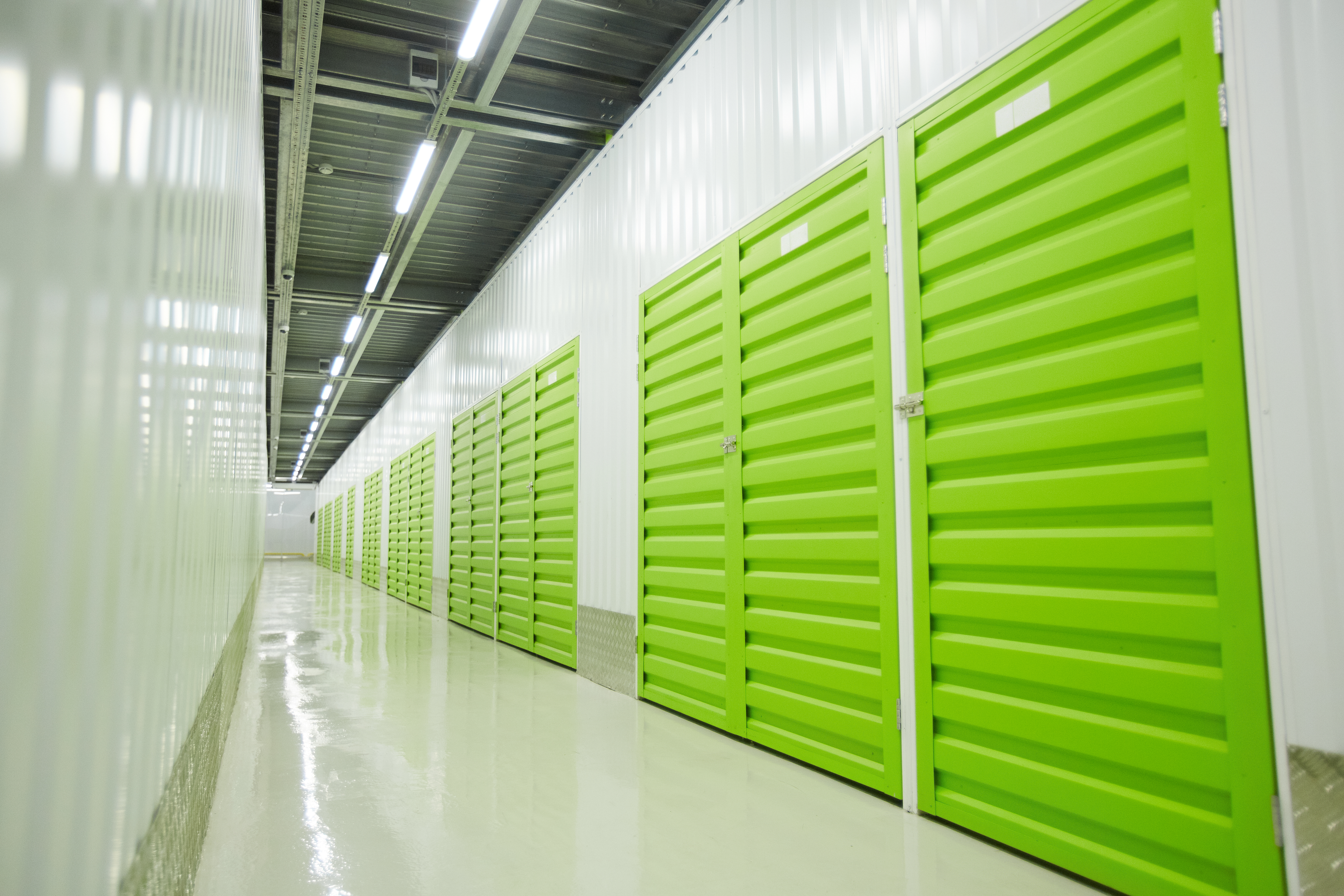
Texas summers are tough on stored belongings. While outdoor temperatures may reach 100°F, the inside of a non-climate storage unit can become much hotter. Heat builds up during the day and stays trapped inside enclosed spaces. Over time, this heat — combined with humidity — can damage furniture, electronics, artwork, and other sensitive belongings. Many people don’t realize damage is happening until they open their storage unit months later. By then, repairs may be expensive or impossible. Understanding how heat affects stored items helps you decide when climate-controlled storage is the safer choice.
How Hot Storage Units Get in Texas
When a storage unit is not climate controlled, it follows outdoor temperatures. During summer months:
- Outdoor temperatures often reach 95–105°F
- Inside a metal storage unit, temperatures may exceed 120°F or more
- Heat builds throughout the day and remains trapped overnight
Humidity also plays a role. Warm air holds more moisture, which increases the risk of mold and material damage. Over weeks or months, these conditions can slowly weaken many materials.
Why Heat Damage Happens Slowly
Heat damage usually does not happen instantly. Instead, it develops through repeated cycles. Each day:
- Temperatures rise during the afternoon
- Materials expand in the heat
- Temperatures drop overnight
- Materials contract again
This repeated expansion and contraction weakens materials and adhesives. When humidity is also present, the damage happens faster.
How Heat Damages Wood Furniture
Wood furniture is one of the most common items damaged in hot storage. Wood naturally reacts to moisture and temperature changes.
Expansion and Contraction
In humid conditions, wood absorbs moisture and expands.
In hot, dry conditions, it loses moisture and shrinks. Repeated cycles can cause:
- Warped tabletops
- Split wood panels
- Loose joints
- Sticking drawers
Even well-built furniture can suffer damage after months in extreme heat.
Furniture Most at Risk
Certain pieces are more vulnerable than others. These include:
- Dining tables
- Dressers
- Wooden bed frames
- Antique furniture
- Cabinets with glued joints
Older furniture and antiques are especially sensitive to environmental changes.
How Heat Affects Upholstered Furniture
Upholstered furniture contains several materials that respond poorly to heat. These include:
- Foam padding
- Fabric coverings
- Interior adhesives
- Wooden frames
Cushion and Foam Damage
High temperatures break down foam inside cushions. Over time this can cause:
- Sagging seats
- Loss of firmness
- Uneven cushions
Once foam deteriorates, it is difficult to restore.
Fabric and Adhesive Problems
Heat can also weaken adhesives that hold upholstery in place. This may lead to:
- Loose fabric
- Wrinkling
- Separation at seams
Sun exposure and heat may also cause color fading.
Why Electronics Are Vulnerable to Heat
Electronics contain delicate internal components that do not handle extreme heat well. Inside devices are:
- Circuit boards
- Plastic components
- Adhesive bonds
- Batteries
These materials are designed to operate within normal indoor temperature ranges.
Heat Stress on Electronics
Extended exposure to high temperatures can cause:
- Warping of plastic parts
- Weakening of solder connections
- Internal corrosion
Humidity can also affect electronic circuits.
Battery Damage
Batteries are especially sensitive to heat. High temperatures can cause:
- Battery swelling
- Shortened battery life
- Power failures
Devices with built-in batteries, such as laptops and gaming systems, may stop working after long exposure to heat.
Electronics Most at Risk
Items commonly damaged during storage include:
- TVs and monitors
- Desktop computers
- Laptops
- Gaming consoles
- Audio equipment
If electronics sit in extreme heat for months, internal damage can occur even if the device looks fine on the outside.
Why Artwork and Collectibles Are Extremely Sensitive
Artwork and collectibles are often made from materials that react strongly to heat and humidity. These materials include:
- Paper
- Canvas
- Wood frames
- Paint pigments
- Adhesives
Canvas and Paper Damage
Heat and humidity can cause:
- Canvas stretching or sagging
- Paper curling
- Yellowing of pages
- Ink fading
Photographs and prints are particularly vulnerable.
Frame and Adhesive Damage
Artwork frames may also suffer damage. Possible problems include:
- Warped frames
- Loose joints
- Adhesive breakdown
- Protective backing deterioration
These issues can permanently affect valuable artwork.
Hidden Damage That Appears Months Later
One of the biggest problems with heat damage is that it may not appear right away. Many items look normal when first removed from storage. However, hidden damage may develop over time. Examples include:
- Furniture joints separating
- Electronics failing weeks later
- Paint cracking or peeling
- Fabric weakening
This delayed damage is why climate control is often recommended for long-term storage.
How Climate-Controlled Storage Helps Prevent Damage
Climate-controlled storage units are designed to reduce temperature and humidity extremes. They provide a more stable indoor environment.
Temperature Stability
Climate units help keep temperatures within a safer range. This reduces expansion and contraction cycles that damage materials.
Humidity Control
Lower humidity levels help prevent:
- Mold growth
- Wood swelling
- Paper damage
- Fabric odors
Stable humidity is especially important for furniture and documents.
Indoor Protection
Climate storage also offers additional protection from:
- Extreme temperature spikes
- Dust buildup
- Rapid weather changes
For sensitive belongings, these conditions make a significant difference.
Items That Should Always Use Climate-Controlled Storage
Some items are particularly sensitive to heat and humidity. These include:
Household Items
- Upholstered furniture
- Wooden furniture
- Mattresses
- Leather items
Electronics
- TVs
- Computers
- Gaming consoles
- Audio equipment
Valuable or Sentimental Belongings
- Artwork
- Photo albums
- Antiques
- Collectibles
If replacing the item would be expensive or impossible, climate-controlled storage is usually the safest option.
Signs Your Items May Already Be Heat Damaged
If belongings have been stored in hot conditions, watch for these warning signs.
Furniture
- Warped surfaces
- Loose joints
- Cracking wood
Electronics
- Overheating devices
- Battery swelling
- Screen distortion
Artwork
- Curling paper
- Sagging canvas
- Loose frames
Noticing these signs early may help prevent further damage.
The Cost of Damage vs Prevention
Repairing damaged items can be expensive. Possible costs include:
- Furniture restoration
- Electronics replacement
- Artwork repair
- Upholstery replacement
Some items — especially antiques or family heirlooms — may not be replaceable at all. Climate-controlled storage helps reduce these risks by providing a more stable environment.
Final Takeaway: Texas Heat Can Destroy Sensitive Belongings
Texas summers create harsh conditions for stored belongings. High heat and humidity can slowly damage furniture, electronics, artwork, and collectibles. Because this damage often happens gradually, many people don’t realize the risk until it is too late. For sensitive belongings, climate-controlled storage provides a safer environment by reducing temperature and humidity extremes.
Categories