

Caddo Mills Climate Units: Why They Matter March to August
Caddo Mills Climate Units: Why They Matter March to August
Habib Ahsan
February 13th, 2026
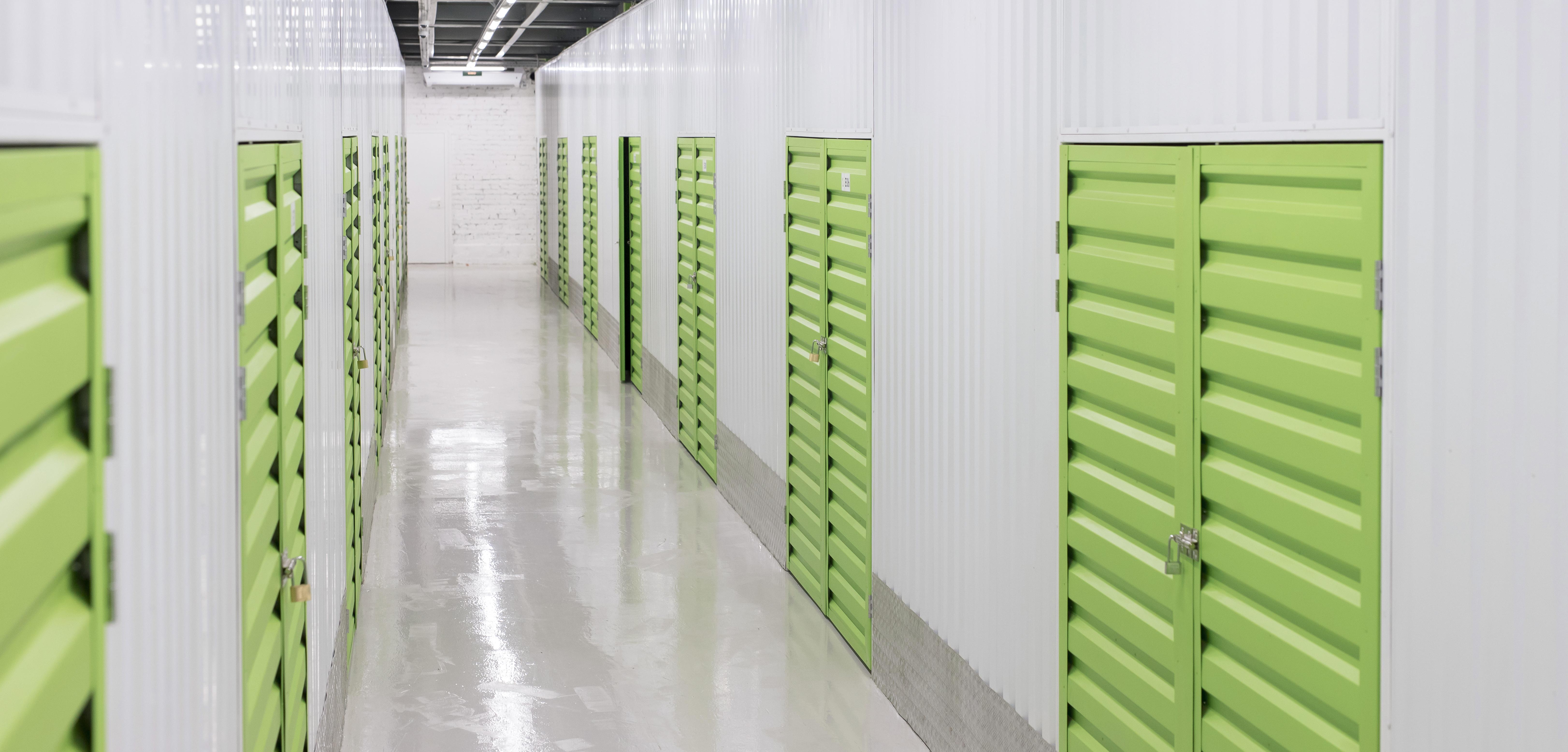
From March through August, storage conditions in Caddo Mills change quickly. Spring storms bring humidity and moisture, followed by long periods of summer heat. Together, these months create the highest risk for stored belongings. Many homeowners and small businesses assume climate-controlled storage is only important for winter or long-term storage. In reality, spring and summer are when climate control matters most. Furniture, documents, inventory, and electronics can all be affected by heat, humidity, and temperature swings. Climate-controlled units help protect these items by keeping conditions stable during the most unpredictable time of year.
Why March Through August Is the Highest-Risk Storage Period
Storage risks don’t usually come from one extreme weather event. They develop gradually during seasonal changes. Between March and August in Caddo Mills, you’ll see:
- Spring storms and rainfall
- High humidity levels
- Rapid temperature changes
- Extended summer heat
These conditions can lead to:
- Mold growth in fabrics
- Warping wood furniture
- Paper damage
- Electronics corrosion
- Musty odors
Climate-controlled storage helps prevent these problems before they begin.
Early Spring Risks: Moisture and Storm Season
March and April bring frequent rain and humidity changes. Even short exposure to moisture can affect stored items. Common spring storage risks include:
- Condensation forming on surfaces
- Damp cardboard boxes
- Mold starting in fabrics
- Odor buildup in enclosed spaces
Loading and unloading during rainy weather also increases the chance of moisture entering storage containers. Climate-controlled units help stabilize the environment after items are stored, reducing long-term moisture damage.
Late Spring and Summer Risks: Heat and Humidity
From May through August, heat becomes the primary concern in Caddo Mills. High temperatures can:
- Crack leather and wood
- Fade fabrics
- Warp furniture
- Damage adhesives
- Affect electronics
Humidity during summer months can also lead to:
- Rust on metal items
- Mold growth in upholstery
- Paper curling or yellowing
Climate-controlled storage reduces these risks by maintaining steady conditions inside the unit.
What Climate-Controlled Storage Actually Protects
Climate-controlled units regulate both temperature and humidity, which helps protect stored items in several ways.
Temperature Stability
Consistent temperatures help prevent:
- Wood expansion and contraction
- Furniture joint separation
- Plastic cracking
- Electronics stress
Humidity Control
Lower humidity levels help prevent:
- Mold and mildew
- Paper damage
- Fabric odors
- Metal corrosion
Cleaner Indoor Environment
Indoor climate storage also reduces:
- Dust buildup
- Odor accumulation
- Air circulation problems
For both homeowners and small businesses, this creates a safer storage environment during warm months.
Items Most Vulnerable March Through August
Some belongings are especially sensitive to heat and humidity.
Household Items
- Upholstered furniture
- Mattresses
- Clothing and linens
- Rugs and curtains
- Photo albums and documents
Electronics and Appliances
- TVs and monitors
- Computers
- Kitchen appliances
- Audio equipment
Small Business Storage Items
- Paper records and files
- Inventory in cardboard packaging
- Fabric-based products
- Promotional materials
These items benefit most from climate-controlled storage during spring and summer.
Preparing Items for Climate Storage Before Spring
Climate control works best when items are properly prepared.
Clean and Dry Everything
Before storing:
- Remove dust and dirt
- Wipe down surfaces
- Allow items to fully dry
- Avoid packing immediately after rain exposure
Even small amounts of moisture can cause problems later.
Use Proper Packing Materials
Good packing materials support climate protection:
- Breathable furniture covers
- Plastic bins for moisture-sensitive items
- Acid-free boxes for documents
- Shelving or pallets to elevate items
Avoid airtight plastic wrapping, which traps humidity.
Packing Strategies for Humidity Control
Packing methods can either protect items or trap moisture.
Prevent Moisture Traps
- Leave small gaps between boxes
- Avoid overfilling containers
- Separate fabrics from paper goods
- Elevate items off the floor
Airflow helps prevent mold and odors.
Smart Placement Inside the Unit
- Place sensitive items toward the center
- Store durable items along walls
- Leave an aisle for access and airflow
These small steps improve long-term storage conditions.
Monitoring Storage During Warm Months
Climate-controlled storage reduces risk, but periodic checks are still helpful.
Inspection Schedule
Check your unit every 60–90 days during spring and summer.
Signs to Watch For
- Musty smells
- Condensation
- Packaging changes
- Surface moisture
If everything looks dry and stable, your storage setup is working.
Common Storage Mistakes During March–August
Many storage issues happen because of simple mistakes, such as:
- Waiting until summer to switch to climate storage
- Packing items while slightly damp
- Using sealed plastic for fabrics
- Storing cardboard directly on floors
- Ignoring spring humidity levels
Avoiding these mistakes protects belongings during the most sensitive months.
Cost vs Protection: Why Climate Storage Matters
Damage from heat and humidity can be expensive to fix — and sometimes impossible to reverse. Climate-controlled storage helps prevent:
- Warped furniture
- Molded fabrics
- Corroded electronics
- Yellowed documents
For homeowners and small businesses in Caddo Mills, climate storage often costs less than replacing damaged items.
How Caddo Mills Residents Use Climate Storage Seasonally
Many people use climate storage during warm months for:
- Spring cleaning projects
- Home renovations
- Moving preparation
- Business inventory protection
- Document storage
Climate storage acts as temporary protection during the most challenging weather months.
Final Takeaway: March to August Is Climate Storage Season
In Caddo Mills, the combination of spring storms and summer heat makes climate-controlled storage especially valuable between March and August. Climate storage protects furniture, documents, electronics, and inventory when weather conditions are most unpredictable.
Categories