

Caddo Mills Climate Control: Warping, Cracking & Mold Defense
Caddo Mills Climate Control: Warping, Cracking & Mold Defense
Habib Ahsan
February 20th, 2026
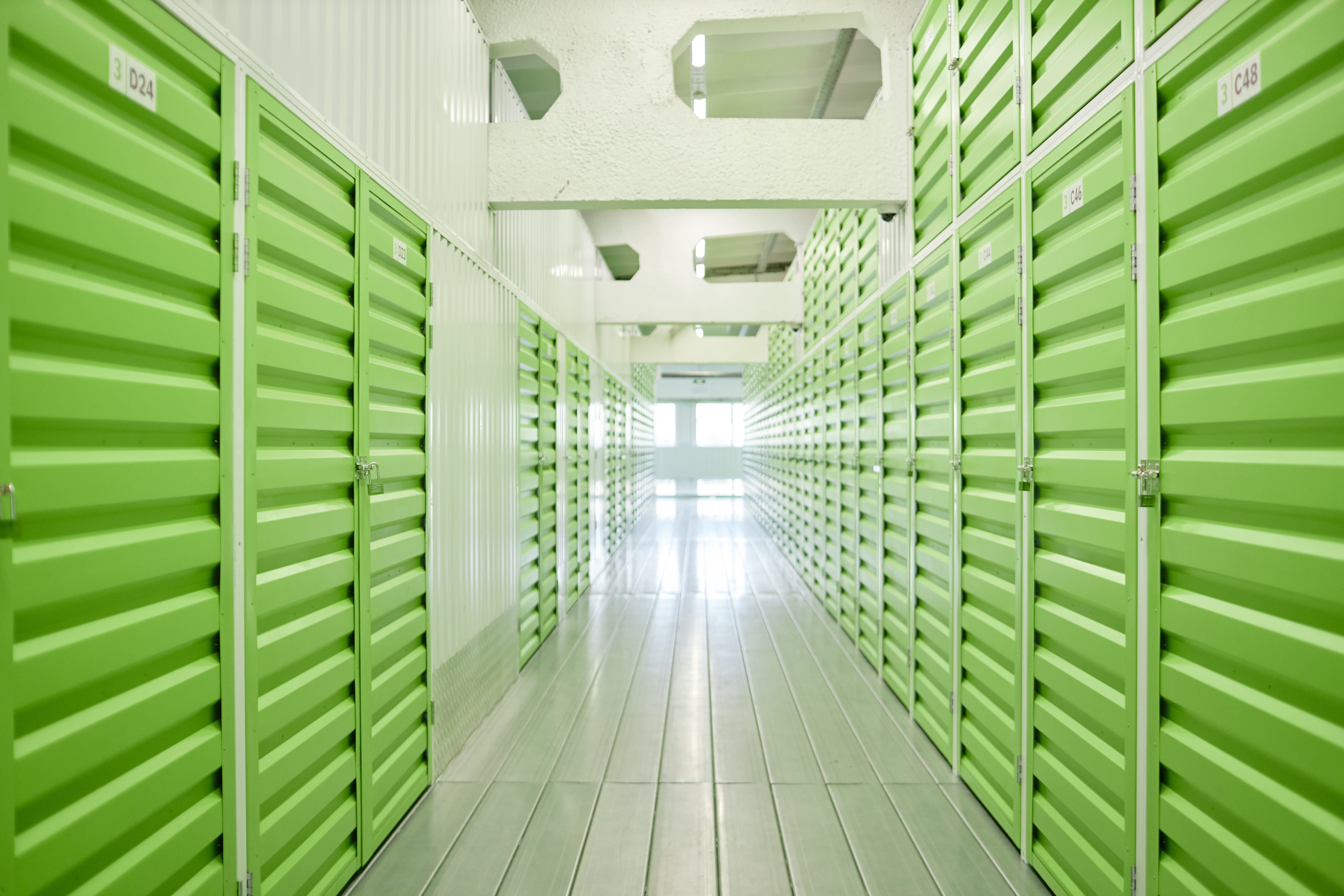
In Caddo Mills, storage damage doesn’t usually happen overnight. It happens slowly — through humidity swings in spring and extreme heat in summer. By the time you notice warping, cracking, or mold, the damage is often permanent. Climate-controlled storage isn’t about comfort. It’s about protection. From March through August, North Texas weather creates the highest risk window for stored belongings. Furniture expands and contracts. Leather dries out. Paper absorbs moisture. Mold forms quietly inside fabrics and cardboard. This guide explains how climate control defends against warping, cracking, and mold — and why it matters locally.
Why Storage Damage Happens in Caddo Mills
Caddo Mills experiences:
- Spring storms and high humidity
- Rapid temperature swings
- Extended summer heat
These conditions create two major threats:
- Moisture fluctuation
- Heat exposure
When items sit in unstable conditions for months, materials begin to break down.
How Warping Happens
Wood is especially vulnerable in storage. When humidity rises:
- Wood absorbs moisture
- It expands
When humidity drops:
- Wood dries out
- It contracts
Repeated expansion and contraction weakens structure. Common signs of warping:
- Bowed table tops
- Sticking drawers
- Loose joints
- Uneven cabinet doors
Even high-quality furniture can warp if stored in unstable conditions. Climate-controlled storage reduces this cycle by maintaining consistent humidity.
Why Materials Crack in Standard Storage
Cracking usually comes from heat and dryness. In summer months, enclosed units can become extremely hot. Prolonged heat exposure causes:
- Leather to dry and split
- Vinyl to become brittle
- Plastic to weaken
- Adhesives to break down
- Wood finishes to separate
Cracks often appear first in:
- Couch arms
- Chair corners
- Picture frames
- Decorative trim
Once cracking begins, repairs are difficult and expensive. Stable temperature prevents rapid drying and material breakdown.
How Mold Develops in Storage Units
Mold needs three things:
- Moisture
- Organic material (fabric, paper, wood)
- Limited airflow
Storage units often contain all three. Early mold signs:
- Musty odor
- Small dark spots
- Damp cardboard
- Surface discoloration
By the time mold is visible, deeper damage may already exist inside cushions, mattresses, or boxes. Climate-controlled storage helps regulate humidity, which significantly lowers mold risk.
What Climate-Controlled Storage Actually Does
Many people think climate control only affects temperature. It does more than that.
Temperature Stability
Consistent temperatures:
- Reduce expansion and contraction
- Protect finishes and adhesives
- Prevent drying and cracking
Humidity Regulation
Lower, steady humidity:
- Reduces mold growth
- Protects fabrics
- Preserves paper and photos
- Minimizes rust on metal components
Cleaner Environment
Indoor climate units typically:
- Have less dust
- Maintain better air circulation
- Reduce odor buildup
This creates a safer environment for long-term storage.
Items Most at Risk in Caddo Mills
Certain items are especially vulnerable between spring and late summer.
Furniture
- Solid wood tables and dressers
- Upholstered sofas
- Mattresses
- Antique pieces
Documents and Paper
- Legal files
- Business records
- Photo albums
- Books
Electronics
- TVs and monitors
- Computers
- Gaming systems
- Audio equipment
Specialty Items
- Musical instruments
- Leather goods
- Artwork
- Collectibles
If replacing it would be expensive or emotional, climate control is worth considering.
How to Prepare Items for Climate Storage
Climate control works best when items are prepared correctly.
Clean and Dry Thoroughly
Before storing:
- Remove dust and debris
- Wipe down surfaces
- Allow items to fully dry
- Avoid storing after rain exposure
Moisture trapped inside items can still cause problems.
Use Smart Packing Materials
Best options:
- Breathable covers for furniture
- Acid-free boxes for documents
- Plastic bins for sensitive items
- Shelving or pallets for elevation
Avoid:
- Tight plastic wrapping on fabrics
- Damp cardboard boxes
- Overpacking
Airflow matters, even in climate-controlled units.
Storage Layout Matters Too
Even in climate units, organization helps prevent damage.
- Leave an aisle for airflow
- Keep items off concrete floors
- Place sensitive items toward the center
- Avoid stacking heavy items on upholstery
These small steps improve protection.
Common Storage Mistakes That Lead to Damage
Many storage issues come from simple decisions:
- Choosing standard storage for delicate items
- Packing while items are slightly damp
- Sealing furniture tightly in plastic
- Ignoring seasonal humidity spikes
- Overfilling units and blocking airflow
Avoiding these mistakes protects your investment.
The Cost of Damage vs The Cost of Prevention
Consider what damage might mean:
- Warped dining tables
- Cracked leather couches
- Molded mattresses
- Corroded electronics
- Ruined business inventory
Replacing these items often costs far more than climate-controlled storage. For small businesses in Caddo Mills, inventory damage can also affect revenue and customer trust. Climate control is a preventive measure, not an upgrade.
When Climate Control Is Most Important
In Caddo Mills, the highest-risk period is: March through August
- Spring storms increase humidity
- Summer heat accelerates material breakdown
Many residents choose climate storage during these months to reduce risk.
Final Takeaway: Defense Is Easier Than Repair
Warping, cracking, and mold rarely happen instantly. They develop over time in unstable storage environments. Climate-controlled storage provides stability when weather conditions are most unpredictable. If an item can:
- Warp
- Crack
- Mold
- Rust
- Fade
Climate control provides safer protection. The most important rule to remember: If it would be expensive or difficult to replace, climate-controlled storage is the safer choice in Caddo Mills.
Categories